St. Louis County Wildfire Prep Guide: Protect Your Home Now
Wildfire Preparedness for High-Risk Areas in St. Louis County
7 Actionable Steps to Protect Your Property from Wildfires Starting Today
As wildfire seasons grow longer and more intense, homeowners in high-risk areas such as St. Louis County must take proactive measures to protect their properties. St. Louis County includes several regions with elevated fire risks, such as Island Lake, Fish Lake, Pike Lake, and others, making it essential to prepare ahead of time for the fire season. The good news is that by taking a few practical steps, you can significantly reduce the risk of wildfire damage to your home and property. This guide will walk you through the essential steps to prepare your property for fire season, offering seasonal reminders to keep you on track for a safe, fire-resilient home.
Understanding Wildfire Risks in St. Louis County
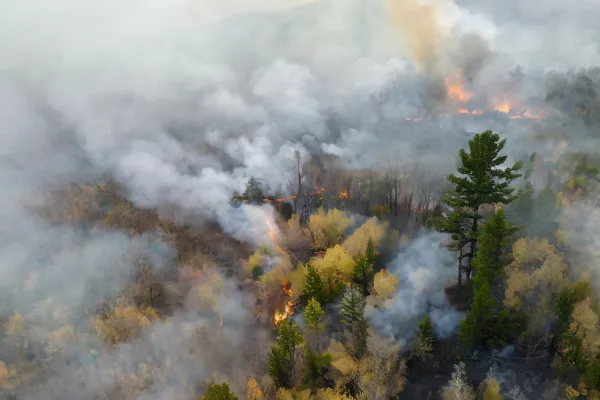
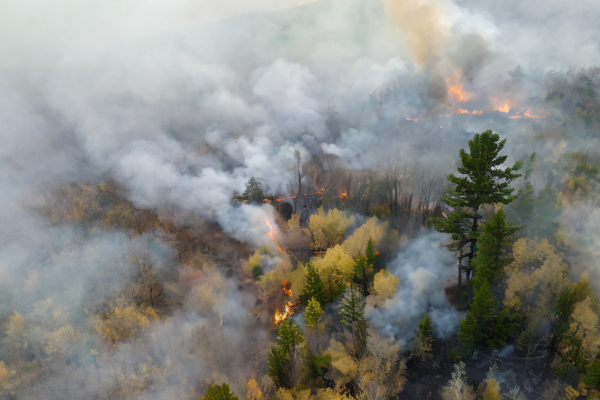
Wildfires can spread rapidly across forested landscapes, fueled by dry conditions, wind, and even human activities. St. Louis County, located in the heart of northern Minnesota, is no stranger to wildfires. The county encompasses densely wooded areas, numerous lakes, and residential properties situated within the wildland-urban interface, where forests meet homes. As such, homeowners in communities such as Island Lake, Fish Lake, and Knife River need to be especially vigilant.
With the added risk of dry conditions and high winds, it’s important to understand how fire spreads. Fires can ignite through embers that travel miles and land on dry, flammable materials. This can include leaves, pine needles, dead trees, or overgrown vegetation. Preparing your property properly can significantly mitigate the risk of a wildfire reaching your home.
Spruce Budworm Damage: A Growing Concern
An additional challenge in parts of St. Louis County is the damage caused by the spruce budworm infestation. This pest is particularly destructive to balsam fir and spruce trees, leading to large swaths of dead and dying trees. Areas like Pequaywan Lake, Brimson, Fairbanks, and up to Isabella and Finland have been especially hard-hit, with these affected trees significantly increasing the risk of wildfires.
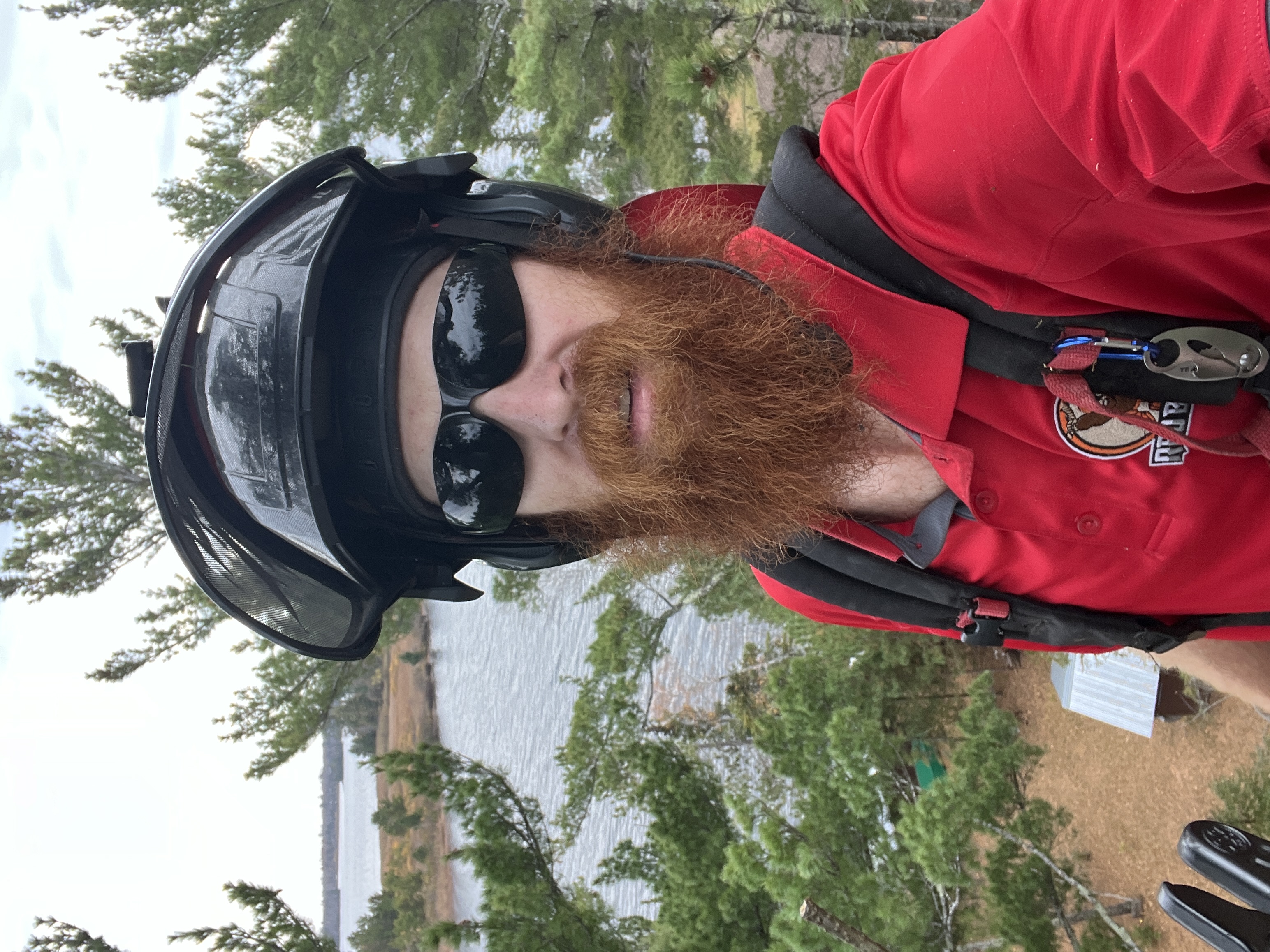
Dead and dying trees are incredibly combustible, and the presence of these trees can create a highly dangerous environment during fire season. Whether you're a homeowner near Brimson or on the shores of Fairbanks, it's essential to address these trees and take action to mitigate the fire risks they present. This is where Red Beard Cutting & Clearing can help! With expertise in hazard tree removal and wildfire mitigation, we can assist in safely removing these hazardous trees, reducing the overall fire risk to your property.
1. Create Defensible Space Around Your Home
Creating defensible space is a key strategy in reducing the risk of wildfire damage. This involves clearing the area surrounding your home of combustible materials, so a fire has less fuel to feed on if it reaches your property.
Defensible Space Zones
The National Fire Protection Association (NFPA) and Minnesota DNR recommend creating at least three defensible space zones around your property:
Zone 1: 0 to 30 Feet from Your Home
This area should be the most defensible and clear of all combustible materials. Remove dead trees, dry leaves, and branches. Maintain a 10- to 15-foot clearance between trees and shrubs, and keep vegetation well-watered and trimmed. Consider using fire-resistant plants and materials such as gravel, stone, or concrete for pathways and ground cover.Zone 2: 30 to 100 Feet from Your Home
In this zone, thinning trees and clearing away brush is essential. Space trees 10 to 15 feet apart, and remove low-hanging branches that could allow fire to jump from tree to tree. Remove deadwood, and prune trees up to 6 to 10 feet above the ground to reduce the chance of a fire spreading to the canopy.Zone 3: 100+ Feet from Your Home
Although this zone doesn't require as much maintenance, it is still important to keep it clear of tall grasses, dead trees, and shrubs. Keeping this area clear can help slow a fire’s progression toward your home.
Using Firewise Landscaping
Incorporating Firewise landscaping into these zones can significantly reduce the risk of wildfire spread. Choose fire-resistant plants and avoid planting near structures. Consider using plants with high moisture content and low flammability, such as fire-resistant ornamental grasses, native plants, and flowers. Avoid dense vegetation and ornamental trees that could easily catch fire. For more tips on Firewise landscaping, refer to the Firewise Landscaping Guide from the Minnesota DNR.
2. Regular Tree Maintenance and Hazard Tree Removal
In communities like Duluth Township, Knife River, and Clover Valley, many properties are surrounded by forests. Overgrown and unhealthy trees pose a serious fire risk, as dead or dying trees are highly combustible. Trees with large amounts of dead branches or pine needles can act as ladders for fire to spread to the upper canopy.
Tree Removal Tips:
Hazardous Trees: Remove any dead, diseased, or decaying trees that pose a danger to your home. These trees are more likely to catch fire and spread flames quickly.
Pruning: Regularly prune trees and bushes to remove dead branches and thin out overcrowded areas. This will help create a gap between trees and lower the risk of a fire spreading to the canopy.
Tree Spacing: Space trees at least 10 to 15 feet apart to prevent fire from traveling between them. Thinning dense areas allows more space for firebreaks, reducing the chance of fire spread.
For residents in areas like Pike Lake, Caribou Lake, and Whiteface Lake, consider hiring professional tree removal services for larger trees or hazardous tree situations that may require equipment and expertise. At Red Beard Cutting & Clearing, we specialize in hazard tree removal and wildfire mitigation, ensuring your property is safe and fire-resistant.
3. Create Firebreaks and Fire-Resistant Barriers
Firebreaks are cleared strips of land that prevent the spread of fire. In St. Louis County’s more forested areas, firebreaks can be a key element in fire defense. To create a firebreak, remove all vegetation and trees to create a buffer zone where fire can’t spread.
Fire-Resistant Barriers:
Fire-resistant barriers can also be created around homes and outbuildings using non-flammable materials such as rocks, gravel, and fire-resistant fences. Make sure to also clear away any dry leaves or vegetation from these areas. This will help prevent fire from getting too close to your home.
For homes in communities like Brimson, Rollins, and Lutsen, creating firebreaks along your property line or near structures is an effective way to reduce fire risk.
4. Properly Maintain Your Roof and Gutters
Fires can ignite from flying embers that land on rooftops, so it’s essential to maintain your roof and gutters regularly.
Clean gutters: Clear leaves and debris from your gutters, as they can catch embers and catch fire easily.
Install ember-resistant venting: Cover vents and openings on your roof with ember-resistant materials to keep flying embers from entering your home.
Fire-resistant roofing: If you’re replacing your roof, opt for fire-resistant materials like metal, tile, or asphalt shingles that are less likely to catch fire than wood or composite materials.
These steps are particularly important for homeowners in areas like Makinen, Palo, and Thompson Lake, where large numbers of trees surround homes.
5. Fire Safety Equipment and Emergency Plan
While preparing your property is essential, it's equally important to have the right fire safety equipment and an emergency plan in place.
Fire Extinguishers: Keep fire extinguishers readily available, especially near areas that could easily catch fire, such as the garage, kitchen, and outdoor areas.
Hoses and Water Source: Ensure you have hoses long enough to reach the furthest corners of your property. Additionally, ensure that your water source can handle firefighting efforts, such as a large pool, pond, or water storage system.
Emergency Plan: Develop an evacuation plan for your family, ensuring everyone knows the quickest and safest way to exit your home. Keep emergency supplies such as medications, a flashlight, and important documents in a safe and easily accessible location.
Make sure your emergency plan is up to date and that all family members are familiar with it. This is essential for homeowners in areas such as Island Lake and Rice Lake, where accessibility can become challenging during fire season.
6. Work with Firewise Communities and Local Resources
Being part of a Firewise USA community can be a game-changer for homeowners. Firewise USA is a program designed to help communities work together to reduce wildfire risk. As a Firewise site, your community is empowered with the resources and support needed to implement effective fire prevention strategies.
In St. Louis County, homeowners in places like French River, Clover Valley, and Normanna Township can benefit from becoming Firewise USA members. You’ll gain access to community-based fire mitigation efforts, training, and funding opportunities through NRCS and other local agencies. For more information on how to participate in the Firewise program, check out the Minnesota Firewise Community guide.
7. Stay Informed and Prepared for Fire Season
Finally, staying informed is key. Wildfire risks can change from season to season based on weather conditions and forest health. Follow local fire advisories, and stay updated on fire restrictions or weather patterns that may increase the risk of wildfires.
By working together with neighbors, local agencies, and community organizations, you can help ensure that your property in St. Louis County is protected from the threat of wildfires.
In Summary
Preparing your property for fire season is crucial for homeowners in St. Louis County, especially in high-risk areas like Island Lake, Fish Lake, and Pike Lake. With wildfire threats increasing, it's essential to create defensible space around your home, regularly maintain and remove hazardous trees, and implement firebreaks and fire-resistant barriers. In regions affected by spruce budworm damage, such as Pequaywan Lake, Brimson, and Fairbanks, addressing dead and dying trees is especially important. Working with experts like Red Beard Cutting & Clearing ensures safe hazard tree removal and fire mitigation services. Additionally, creating fire-safe zones, maintaining your roof, and staying informed about fire risks are key steps in safeguarding your property. Becoming involved in Firewise USA communities and collaborating with local resources can further enhance your fire preparedness efforts. Together, these strategies help protect your home and the surrounding forest from the threat of wildfire.